
Free Wi-Fi networks pose a significant risk of malware being planted by malicious actors, and mobile users may also be lured to phishing websites.
Many people have a habit of asking for passwords to access free Wi-Fi networks at public places such as restaurants and cafes. However, while convenient, these places also harbor numerous risks that can directly affect users’ personal information and wallets.
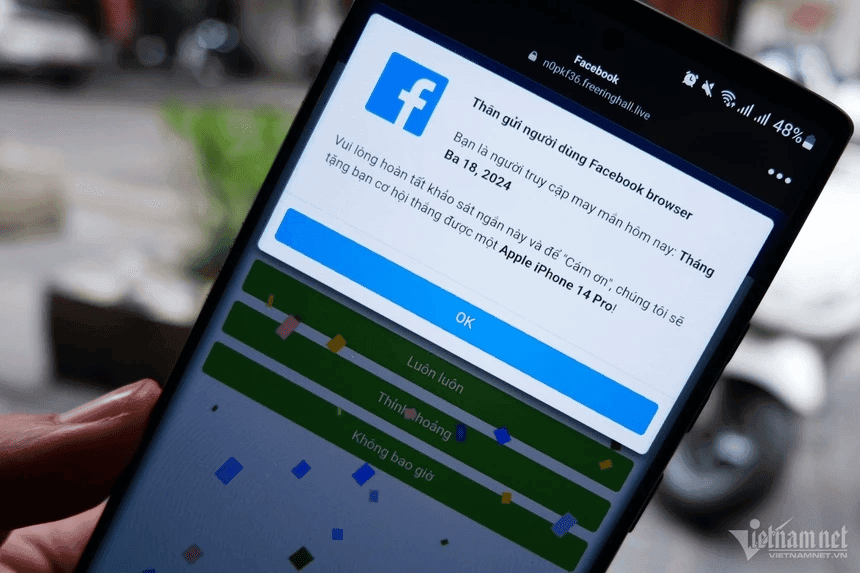
Recently, a mobile user encountered a suspicious situation while connecting to a free Wi-Fi network. Speaking to VietNamNet, Mr. Duc Huy (Hai Ba Trung District, Hanoi) said that while browsing Facebook via a WiFi network at a coffee shop on Trieu Viet Vuong Street (Hai Ba Trung District, Hanoi), he clicked on a website link from a government agency. However, the result was that this mobile user was redirected to an unfamiliar website.
Earlier, the browser had displayed a warning: “This website does not use a secure connection. Your personal information, such as passwords or credit card numbers, may not be secure when connecting to this website.” However, ignoring the warning, Mr. Huy still “continued to access the website.”.
“From Facebook, I was redirected to a strange website ending in “.live” instead of the government agency’s official website I wanted to visit. A message also popped up saying I was a lucky winner. If I completed the survey, I would be able to receive an iPhone 14 Pro. Feeling suspicious, I didn’t dare click on the link for fear of getting malware,” said Mr. Huy.
According to this user, when he closed the link and revisited the government agency’s website, the “prize notification” continued to appear. “A friend sitting next to me warned me to be careful since I was using “free WiFi,” so I switched to 4G, and everything went back to normal,” Huy shared.
Speaking with VietNamNet about this issue, Mr. Vu Ngoc Son, Head of the Technology Research Department at the National Cybersecurity Association and Technical Director of NCS, noted that some public Wi-Fi networks—such as those in hotels, cafes, and restaurants—currently offer free access to users but include advertisements. Before users can access their desired website, they are forced to go through an advertising page first before being redirected to the destination website.
“The way this model works is similar to digital ad networks, but instead of ad content, the information returned is a congratulatory message. The ads will appear based on the user and their location. On a different device, the information returned might be a post with different content,” Mr. Son said.
Many public places, such as cafes, restaurants, and hotels, often provide free Wi-Fi to users. Photo: Trong Dat.
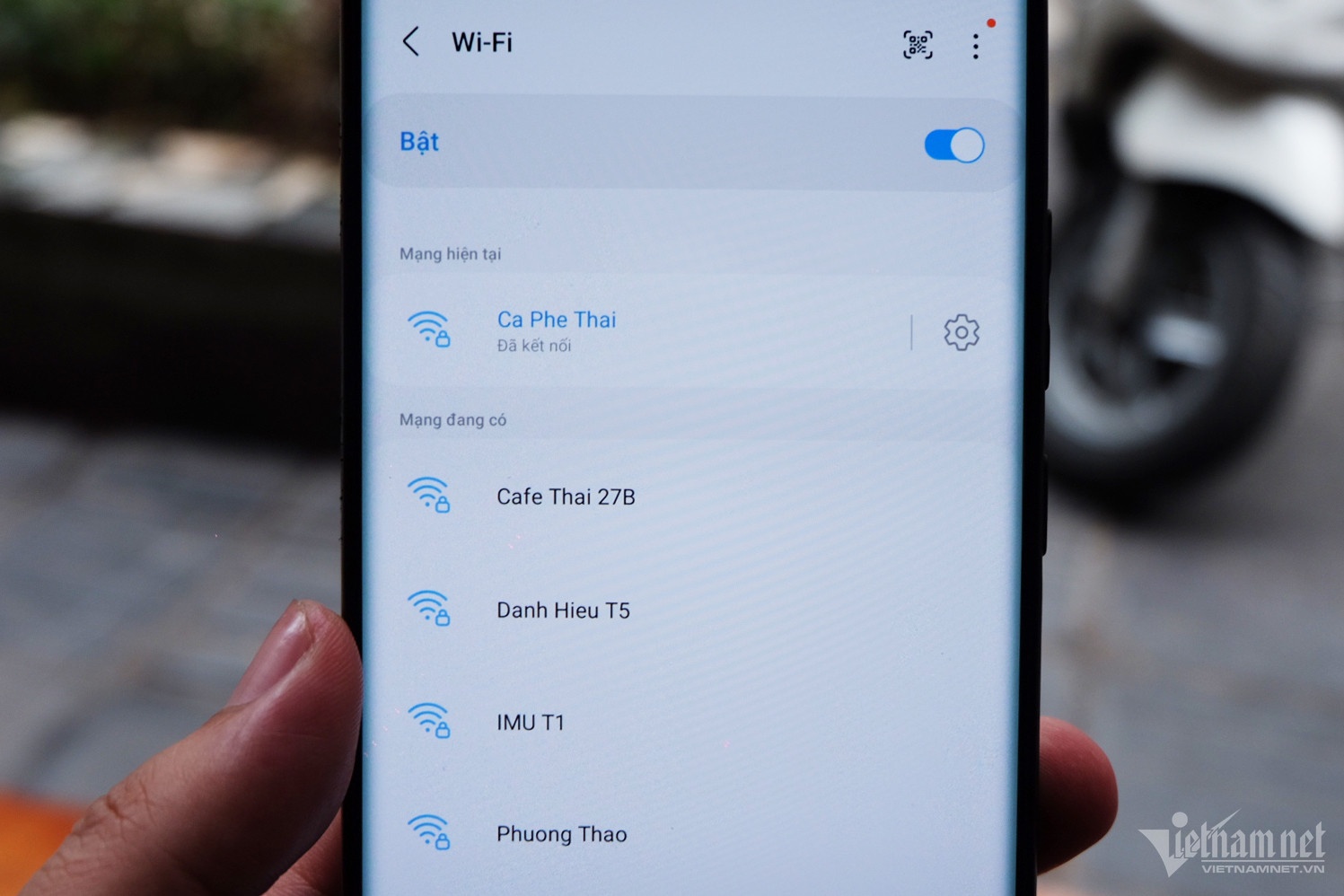
According to expert Vu Ngoc Son, by nature, ad networks sell banner ad space to third parties, and stores and cafes have no control over the content posted. As a result, the attached links could very well contain malware.
“The information returned may also include posts about counterfeit goods, substandard products, or even scams, as companies selling WiFi ads have no control over the content,” the expert warned.
To protect themselves, mobile users should always be cautious when connecting to new Wi-Fi networks, especially in public places such as hotels, restaurants, and cafes. This is because their connection will depend on the settings of the Wi-Fi provider.
If you encounter unfamiliar information, you should ignore it. Please note that you should only conduct important transactions on trusted networks, such as home or office Wi-Fi, or 3G/4G networks on your phone.
By Trong Dat/Vietnamnet
Contact EZ Fast Tech today for a free consultation and support:
- Website: https://www.ezfasttech.com/
- Hotline: 0772869820
- E-mail: [email protected]
EZ Fast Tech is here to help you protect your website, enhance the user experience, and drive your business growth!
Don’t forget to follow EZ Fast Tech for the latest updates on website security!