
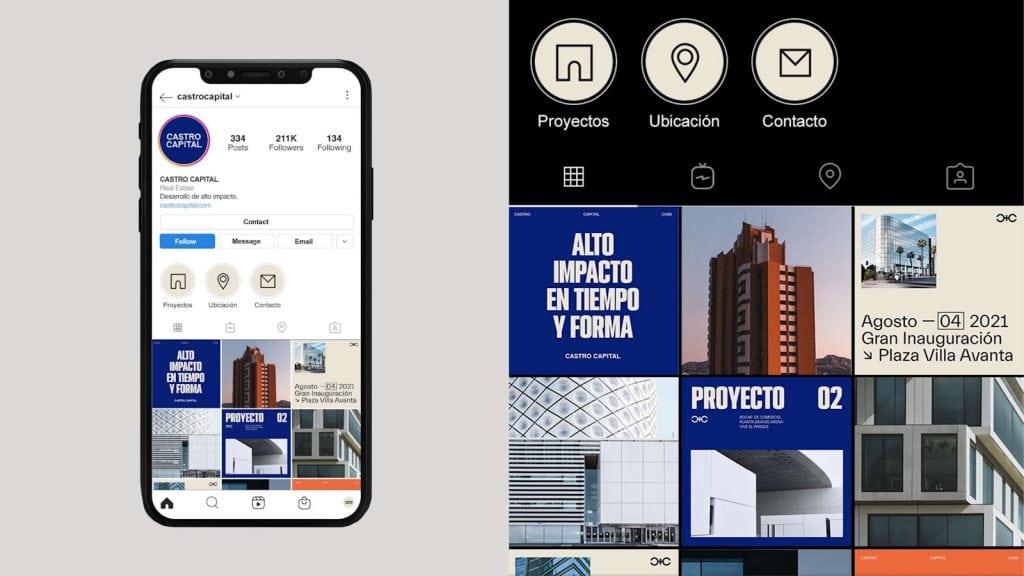
1. Ownership and control:
- Social network: Businesses participate in free social media platforms but do not fully own the accounts or the content they post. The policies of these platforms can change at any time, affecting the businesses' ability to reach and operate.
- Website: Businesses fully own the website, freely creating and adjusting content and images according to their own ideas. The website is an asset of the business.
2. Content storage:
- Social network: Content posted on social media may be deleted or altered due to platform policies or technical errors.
- Website: Content is stored permanently on the website, ensuring stability and ease of management.
3. Approach:
- Social network: Reaching a large number of potential users quickly is possible. However, businesses need to develop effective strategies for attracting followers and engaging with them.
- Website: Reaching potential customers through search engines like Google, Bing, etc., requires effective SEO optimization.
4. Interaction:
- Social network: Direct interaction with customers is encouraged to build relationships and gather feedback. However, this interaction can be fleeting and lack depth.
- Website: Interactions through comments, messages, contact forms, etc., are more in-depth and focused.
5. Brand reputation:
- Social network: Contributing to building a friendly, approachable brand image and fostering a community is important. However, a suitable strategy is needed to effectively build brand credibility.
- Website: Build a professional, reputable, and trustworthy brand image through high-quality content and impressive design.
6. Business performance:
- Social network: It can deliver quick results through advertising and affiliate marketing campaigns. However, the cost of advertising can be high.
- Website: It offers long-term benefits and saves on operating and maintenance costs. The website attracts potential customers through SEO and high-quality content.
7. Data analysis:
- Social network: It provides data on engagement levels, likes, shares, etc. However, this data may not be complete or accurate.
- Website: Providing detailed data on user behavior such as visits, pages viewed, time spent on each visit, etc., helps businesses.
Conclude:
- You should use social media when: The goal is to reach a large audience, build brand awareness, create a community, and interact directly with customers.
- You should use a website when: The goal is to provide detailed information about the business, build brand reputation, attract potential customers, and optimize SEO.
Advice:
- Combining the use of both social media and websites is recommended for the best brand building results.
- Depending on your specific goals and target audience, you may prioritize one channel over another.
- Create high-quality, engaging content that's relevant to both channels to attract and retain customers.
Contact EZ Fast Tech today for a free consultation and to get an effective, AI-optimized website!
- Website: https://ezfasttech.com
- Hotline: 0772869820
- E-mail: [email protected]
EZ Fast Tech – Take your website to the next level with the power of AI!